Partner companies
The LIFE FitforREACH-2 project brings together seven dedicated partner companies from Estonia, Latvia, and Lithuania. These industry pioneers are at the forefront of chemicals risk management improvement, working closely with experts to substitute hazardous substances with safer alternatives. By addressing the challenges of hazardous substance use, these companies serve as key examples of how industry can transition to safer, more sustainable chemical use while maintaining competitiveness.
Estonian companies
SCANFIL - telecommunications and industrial electronics
Chemical safety is a competitive advantage for Scanfil
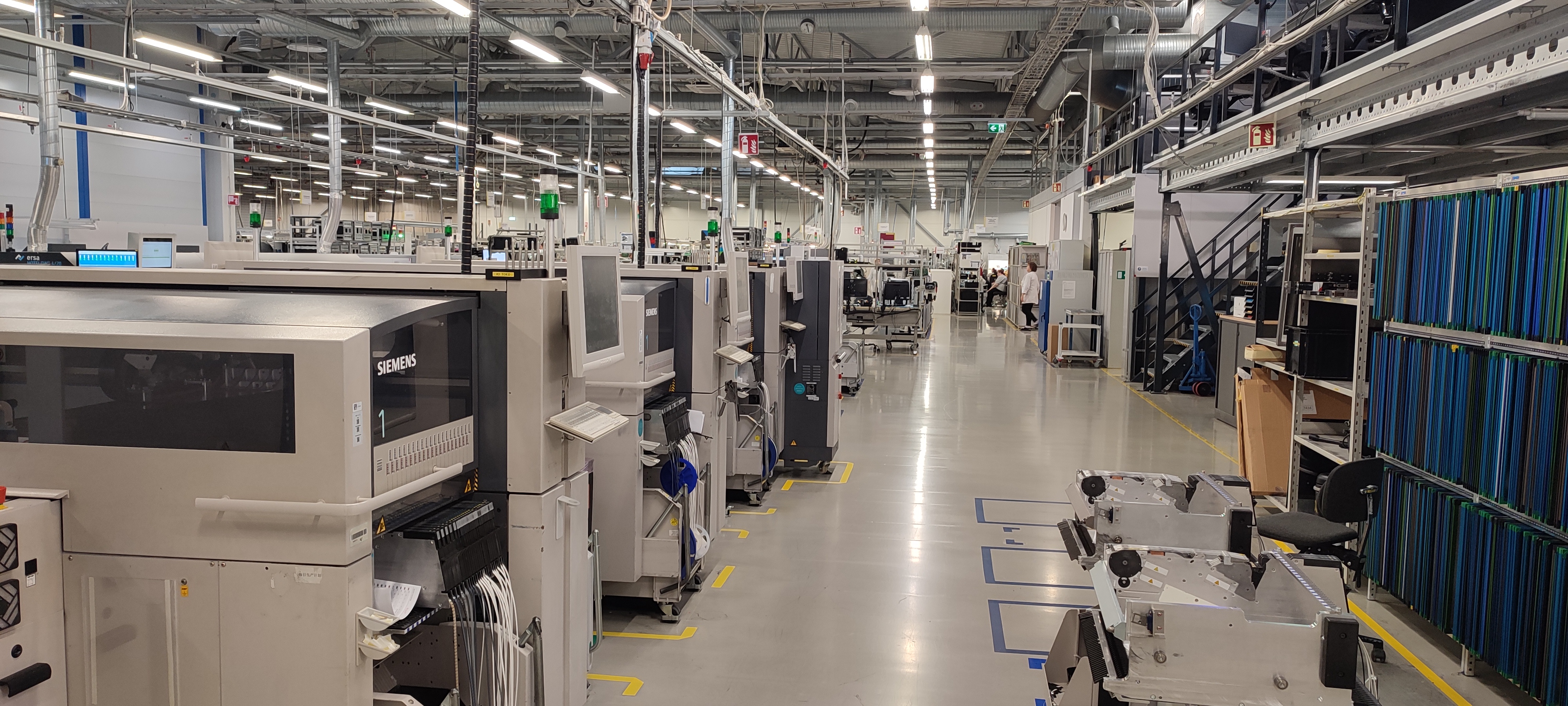
Scanfil, a partner of the LIFE FFR-2 project, produces telecommunications and industrial electronics.
In the context of the project, Scanfil aims to improve its existing and well-functioning chemicals risk management system by adding elements that ensure new information is more quickly and efficiently integrated into the existing routines. This should ensure minimal exposure to hazardous substances.
What the company has already done:
- Introduced a cloud-based software to manage chemicals related data and run their inventory.
- Substituted solvent containing toluene, which is a suspected reprotoxic chemical and may damage organs through prolonged or repeated exposure. The solvent was used in open system for cleaning the printed circuit board varnish frames in electronics having high exposure potential to workers. Scanfil introduced a washing machine thereby enclosing the process and enabling the uses of the safer benzyl alcohol as solvent.
- In the soldering process that uses reprotoxic lead solder, a robotic device is being tested with the aim of purchasing it if it meets the set criteria. The new device operates automatically and in a closed system, which significantly reduces the risk to the work environment.
Next steps
Scanfil is planning to purchase automatic gel coating equipment for the electronic department, which further reduces workers exposure to hazardous chemicals.
Paldiski Tsingipada (Zincpot) - hot dip galvanizing
Gaining resource efficiency in hot dip galvanizing by increasing the quality of zinc coating
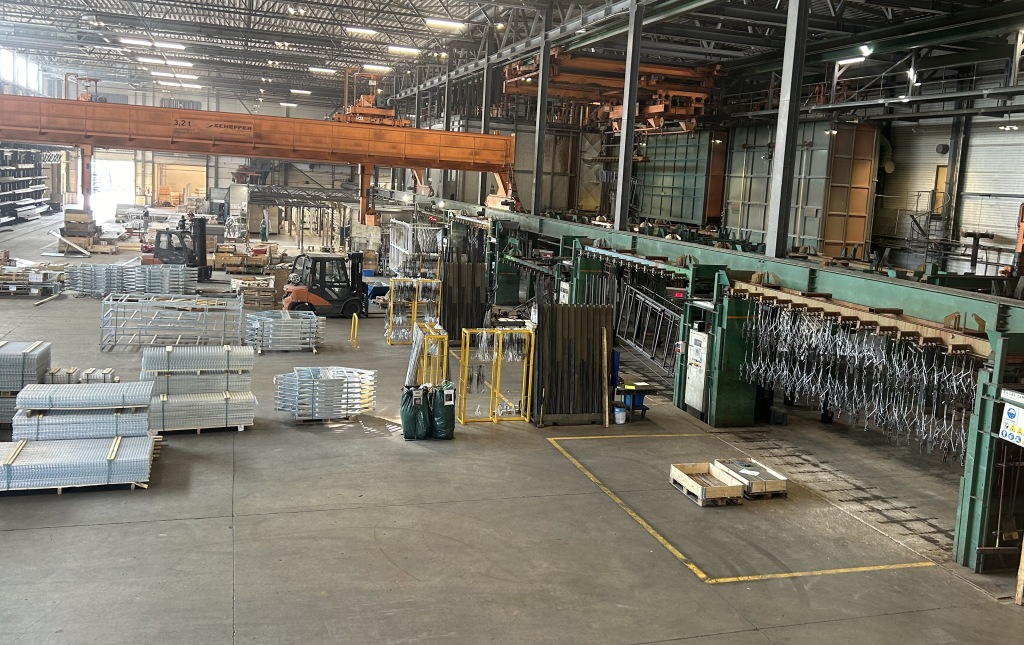
AS Paldiski Tsingipada (Zincpot) is a partner company of the Life FitforREACH2 project. The company is one of the largest providers of hot dip galvanizing (or batch galvanizing) services in the Baltic States and Scandinavia.
The goal of participating in the project is to improve the quality of the coating process, thus reducing a share of non-conditional products and increasing the related process efficiency, which would be measures in decreased consumption of chemicals and energy, as well as a reduction of the related costs and generation of waste.
What the company has already done:
- The composition of the degreasing baths is changed resulting in resources efficiency - more efficient use of chemicals and reduction of energy consumption.
- Manually controlled pumps have been replaced with automatic dispensers, which allows for more precise control of the composition of the degreasing and flux baths, resulting in more efficient use of chemicals.
- By changing the composition of some process solutions, some hazardous substances were phased out.
- A salt-mist chamber test equipment was purchased with the help of FitforREACH2 to improve the ability to monitor the corrosion resistance of surface coatings.
It was understood that the quality of the passivation of the zinc-layer is essential in achieving conformity. Therefore, an initially planned activity was redesigned and instead of a substitution, a new post-treatment step was added into the process.
Next steps
AS Paldiski Tsingipada has been looking for opportunities for better handling of process waste, as the previous handling - landfilling - is not sustainable and companies that would be interested in using waste as a secondary raw material are located geographically far away. Therefore, Tsingipada is looking for opportunities to regenerate at least some of the process waste.
Latvian companies
KVIST - furniture
Furniture producer KVIST improves their chemicals related environmental performance
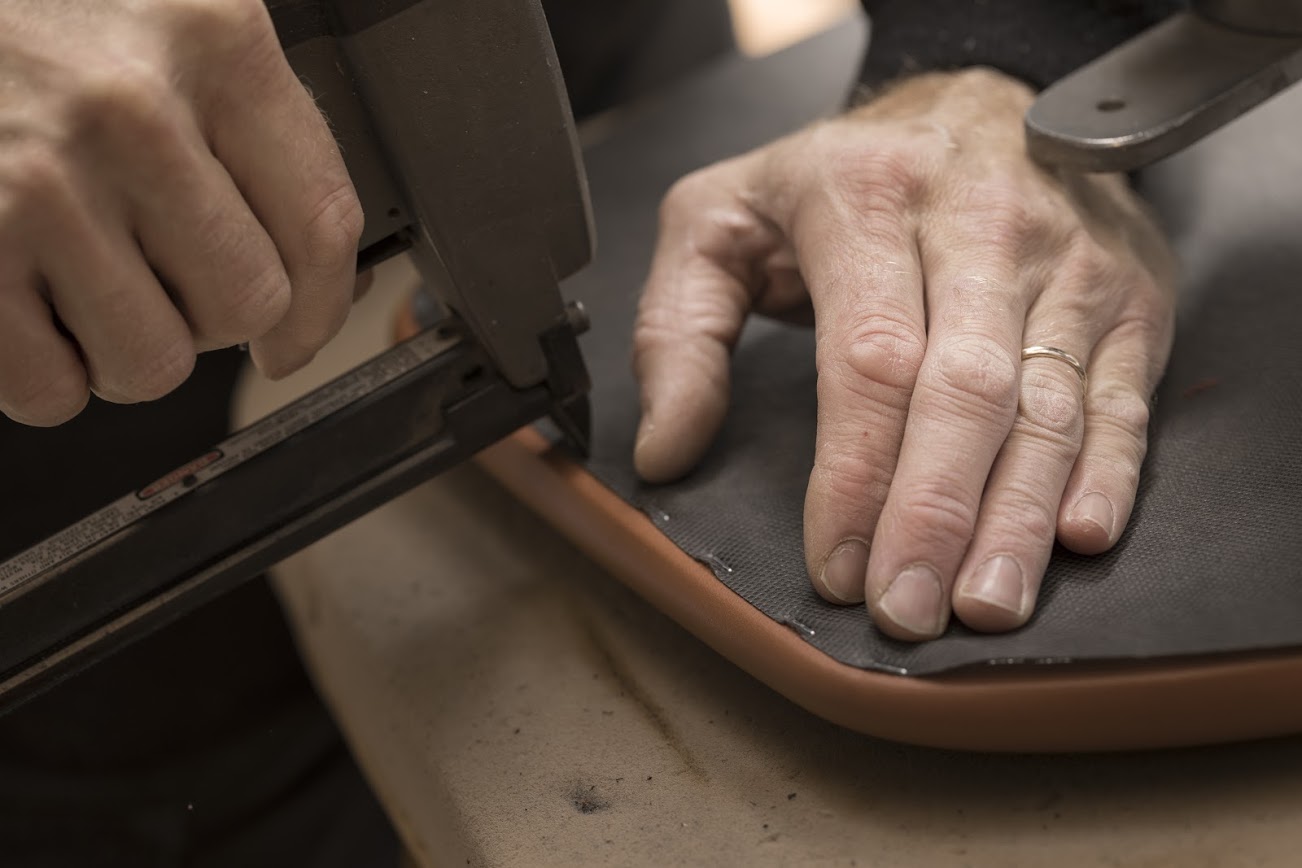
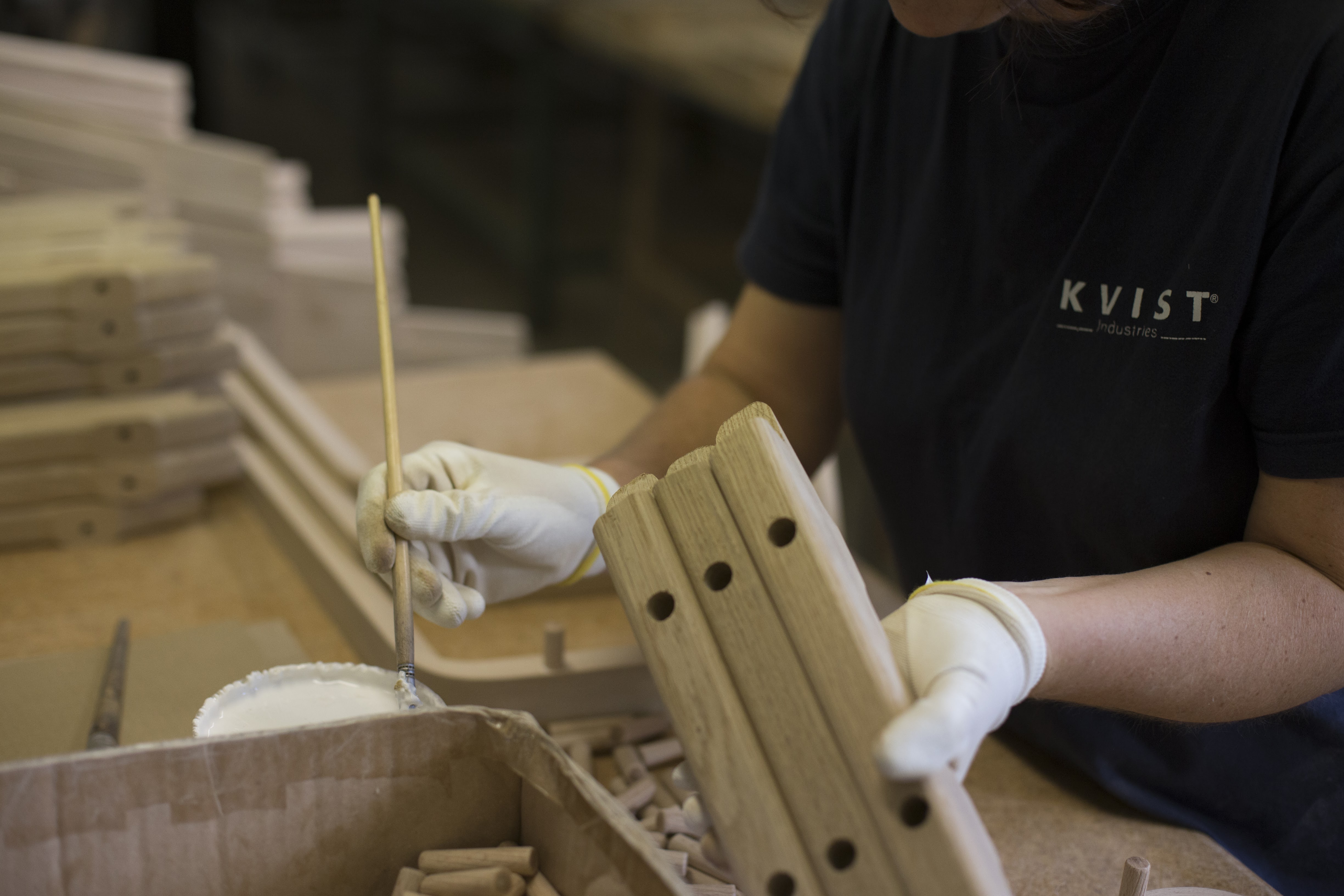
The Latvian furniture producer company KVIST Ltd. participates in the LIFE Fit for REACH-2 project as a project partner with the aim to improve their environmental performance regarding chemicals and switch to safer chemical alternatives in their production. KVIST Ltd. produces high quality wood furniture products, mainly chairs. The main input material they use is wood - solid wood and curved glued parts.
What the company has already done:
- Solvent-based paints and lacquers have been fully replaced with water-based alternatives, significantly reducing VOC emissions and improving workplace safety. Testing of water-based stains is ongoing, with the objective to transition to fully water-based surface treatment systems across all products.
- Alternative non-formaldehyde adhesive systems have been evaluated; however, no technically and economically suitable substitutes have yet been identified. Considering upcoming stricter REACH requirements on formaldehyde emissions from furniture, the replacement of urea-formaldehyde resin remains a priority, and several potential alternatives have already been identified, with preparations for testing currently underway.
- The company has installed wastewater separation equipment, enabling separation of chemical residues from process water. This has significantly reduced hazardous waste volumes and allows separated water to be reused in production processes, for example for washing glue application rollers.
- Indoor air quality and process-related odour emissions have been assessed. In cooperation with LIFE Fit for REACH-2 chemical experts, KVIST SIA is implementing preventive measures to reduce risks to employees and the environment.
- Work is ongoing to improve the chemical inventory and material compliance verification, including collecting detailed substance-level information from suppliers to strengthen confidence in the safety and regulatory compliance of incoming materials.
- The substitution of melamine-containing upholstery materials remains challenging, as currently available alternatives do not fully meet technical or economic requirements. Supplier communication and evaluation of alternatives continue.
Next steps
KVIST SIA plans to further strengthen its chemical management system through the following actions:
- Continuing to conduct comprehensive chemical risk assessments covering employee exposure, production processes, product compliance, and environmental impact
- Further implement preventive chemical risk management measures based on assessment results
- Continue improving chemical inventory transparency and supplier communication
- Reduce hazardous waste volumes and overall production waste through process optimisation and substitution activities
- Continue identifying and testing safer alternative substances, particularly regarding formaldehyde-related materials and upholstery flame-retardant systems
Balticfloc - ecological insulation materials
Balticfloc is looking for safer flame retardants in insulation materials
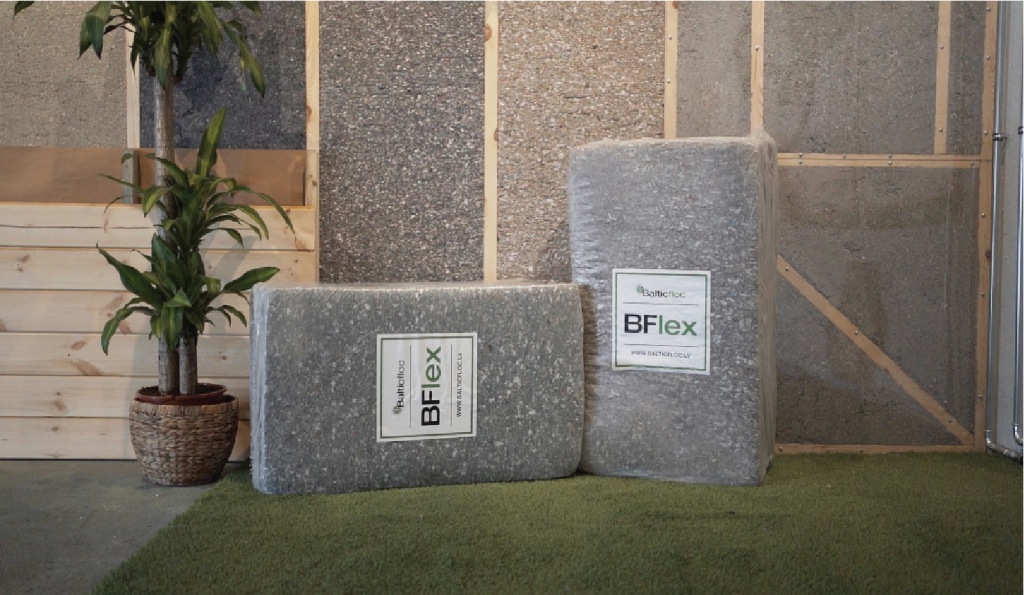
Balticfloc Ltd., is a partner company in LIFE FFR-2 producing ecological insulation materials from wastepaper, recycled cellulose fibres and textile fibres. The company’s main products are insulation materials such as ecowool, hemp and textile fiber.
Ecowool is produced from natural cellulose fibre, while processing wastepaper. To ensure its fire safety of, additives with flame retardant and fungicidal properties need to be added to the ready product. In the frame of the project, the company aims to identify safer alternatives to currently used flame retardants, test them in the ready product and introduce them in the production.
What the company has already done:
- Balticfloc has searched for technical and chemical solutions to completely replace boron-containing substances in their production processes. They identified a much safer alternative (a magnesium salt) and purchased test batches.
- As BalticFloc’s product is based on a very specific and sustainable base component , ready-made solutions for flame-retardation are not available, and the company needs to invest in finding exact technical solutions, i.e. how to apply the substitute substance and integrate it in the final product. Test-scale experiments with varying concentrations are being done currently.
BalticFloc is fully confident that the identified alternative will be implemented at full-scale production by the end of the project, providing customers with a product that does not contain any SVHCs, while maintaining the existing use properties. At the same time, this provides an opportunity to reduce chemical-based risks for the own employees who are involved in the raw product preparation and mixing processes.
Furthermore, the company is seeing phasing out SVHC substances before any legal restrictions apply to them as an advantage in the construction products market, giving them a way how to build a sustainable business pathway over the coming years.
Kinetics Nail Systems - nail coatings
Kinetics Nail Systems creates sustainable and environmentally friendly production
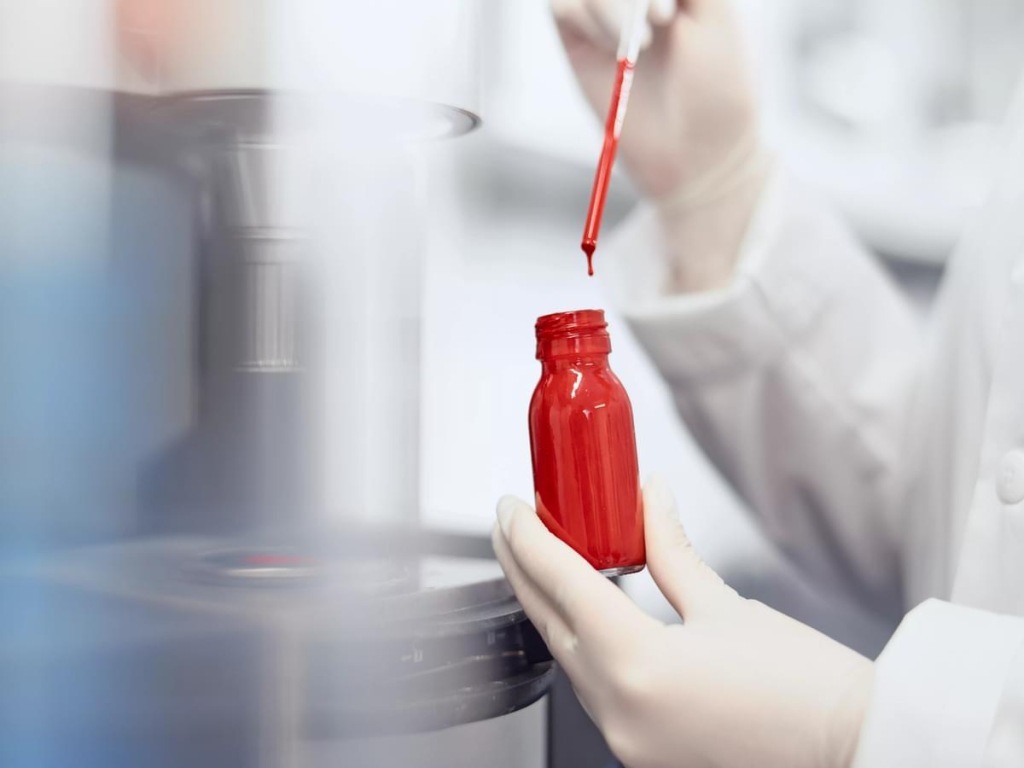
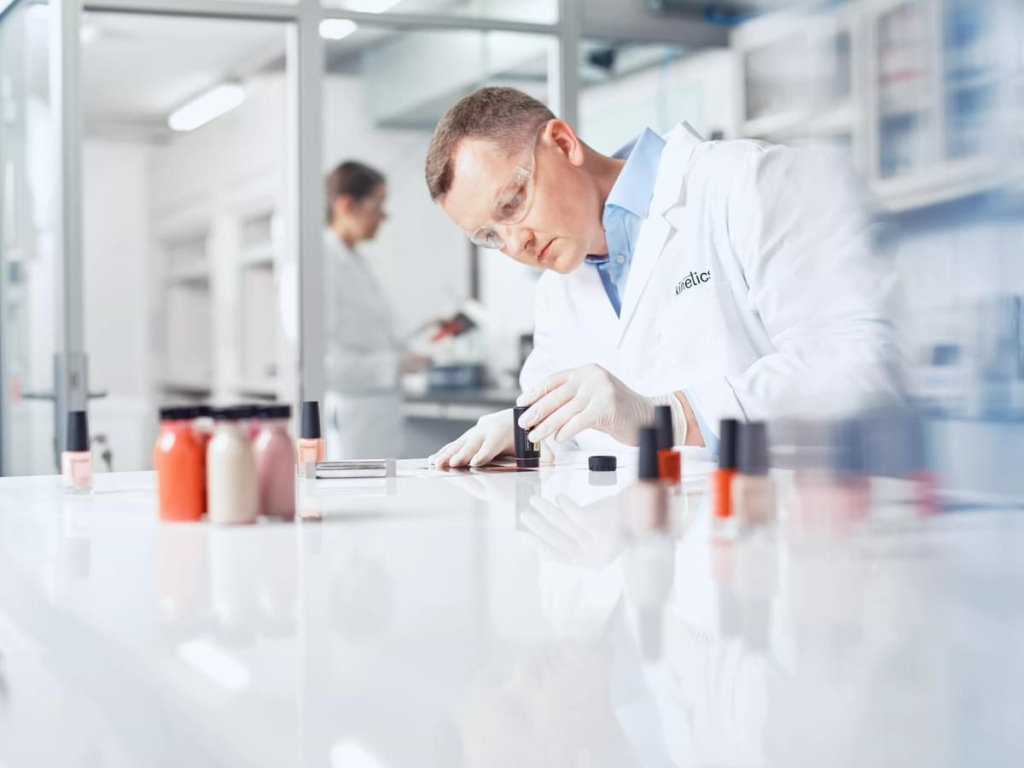
Kinetics Nail Systems is a partner company in the project LIFE FitforREACH-2 (FFR2). They specialize in the production of nail coatings, offering a wide range of nail polishes, UV-curing nail coatings also known as gel polishes, gels and skin care cosmetics.
The purpose of the company's participation in the FFR2 is to create even safer nail coatings with improved product properties (adhesion, fluidity, mechanical properties, surface properties). Two main tasks of the company have been set: 1) replace two specific raw materials in UV-curing coatings with alternatives that are less harmful to human health, and 2) improve chemical risk management system.
What the company has already done:
Kinetics Nail Systems has made significant progress in replacing hazardous monomers and photoinitiators.
Monomer substitution:
- TMPTA (Trimethylolpropane triacrylate): has been fully replaced with IBOMA (Isobornyl methacrylate) and BZMA (Benzyl methacrylate) in all formulations.
- HPMA (Hydroxypropyl methacrylate): has been completely replaced in retail products, e.g. one base, one color base and all coatings with IBOMA and BZMA. In topcoats, the concentration of HPMA was reduced from 20% to 1%.
- HEMA (Hydroxyethyl methacrylate): has been found in formulations despite not being listed by suppliers and has been replaced in all products but a few customer-specific formulations. Some customers, especially in Dubai, prefer the standard base over HEMA-free alternatives.
Photoinitiator replacement:
- TPO (Diphenyl(2,4,6-trimethylbenzoyl)phosphine oxide) has been replaced with TPO_L (Ethyl (2,4,6-trimethylbenzoyl) phenylphosphinate) and TPO_R. 90% of formulations are now free of TPO; a few formulations still contain TPO but are being phased out. TPO was also tested in competitor products that claim to be TPO-free, confirming the presence of undeclared TPO.
Next steps:
The company will continue phasing out the remaining TPO-containing formulations, ensuring HEMA-free alternatives are available while meeting customer preferences. Additionally, quality control and supplier transparency will be strengthened regarding undeclared monomers.
Within the framework of the project, in the workshop with Kinetics, partners share their knowledge in Chemical risk management - engaging in discussions on regulatory changes, practical reporting aspects as well as chemical hazard classifications.
The company plans to establish sustainable and environmentally friendly production by actively seeking solutions to replace potentially irritating substances in product formulations and manufacturing processes. The company's goal is to find safer alternatives, rather than simply replacing substances with others that have similar properties.
Lithuanian companies
Art Glacio - ice-cream production
UAB „Art Glacio“: optimization of detergents use to mitigate chemical risk
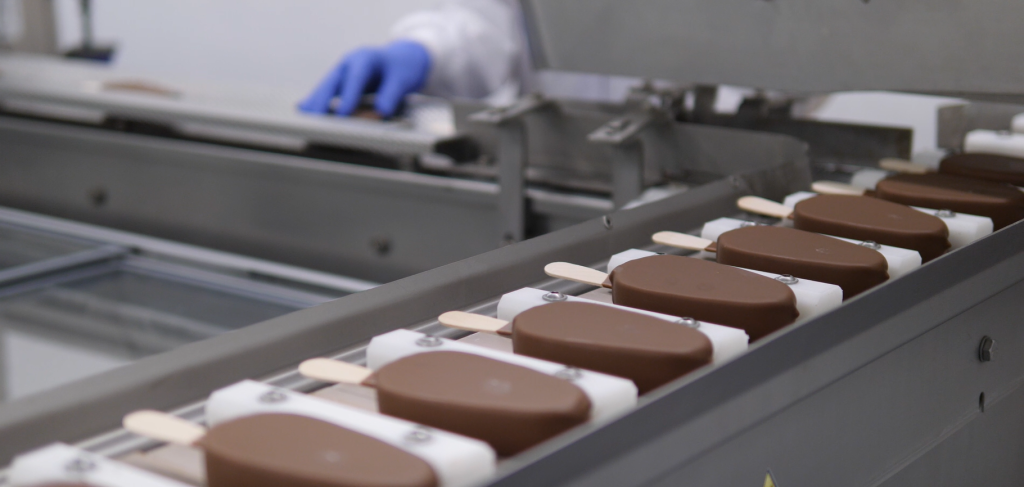
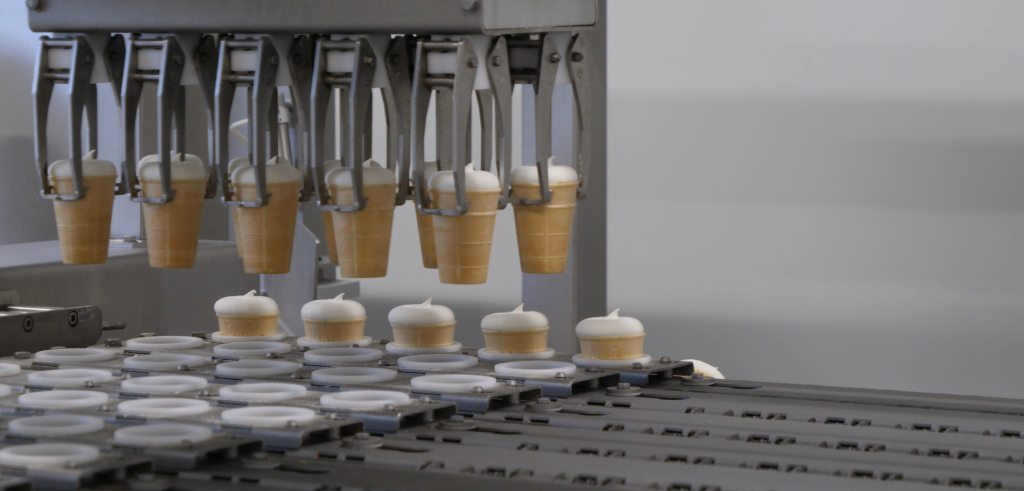
UAB “Art Glacio” is a proactive ice-cream producer engaged in the FFR-2 project as a partner company. As usual for food industry, UAB "Art Glacio" uses significant amounts of various detergents and disinfectants to keep their equipment clean and ensure hygiene requirements are met.
What the company has already done:
- Updated company chemical policy to strengthen measures for avoiding substances classified as:
- Carcinogens: known and suspected carcinogens;
- Mutagens: known and suspected mutagens
- Reprotoxics: known and suspected reprotoxicants to avoid harm to fertility or the unborn child.
- Procured low-pressure foam washing stations to reduce the consumption of cleaning agents. The installation and commissioning of the equipment started in December 2025 – January 2026. Expected results by the end of the project: increased resource efficiency through the optimized use of disinfectants and detergents, reduced workers’ exposure, and ensured compliance with EU safety and environmental standards.
Next steps:
Installation and commissioning of the automatic cleaning system to reduce the consumption of cleaning agents in the ice cream hardening room (freezer). In addition, “Art Glacio” will collect and analyse data on the performance of the equipment to continuously improve the efficiency and safety of their processes based on data-driven insights. The company will also advance its chemicals inventory and raise staff awareness of chemical hazard classes.
In conclusion, “Art Glacio” has installed and commissioned low-pressure foam washing stations and updated company chemical policy since the beginning of the project.
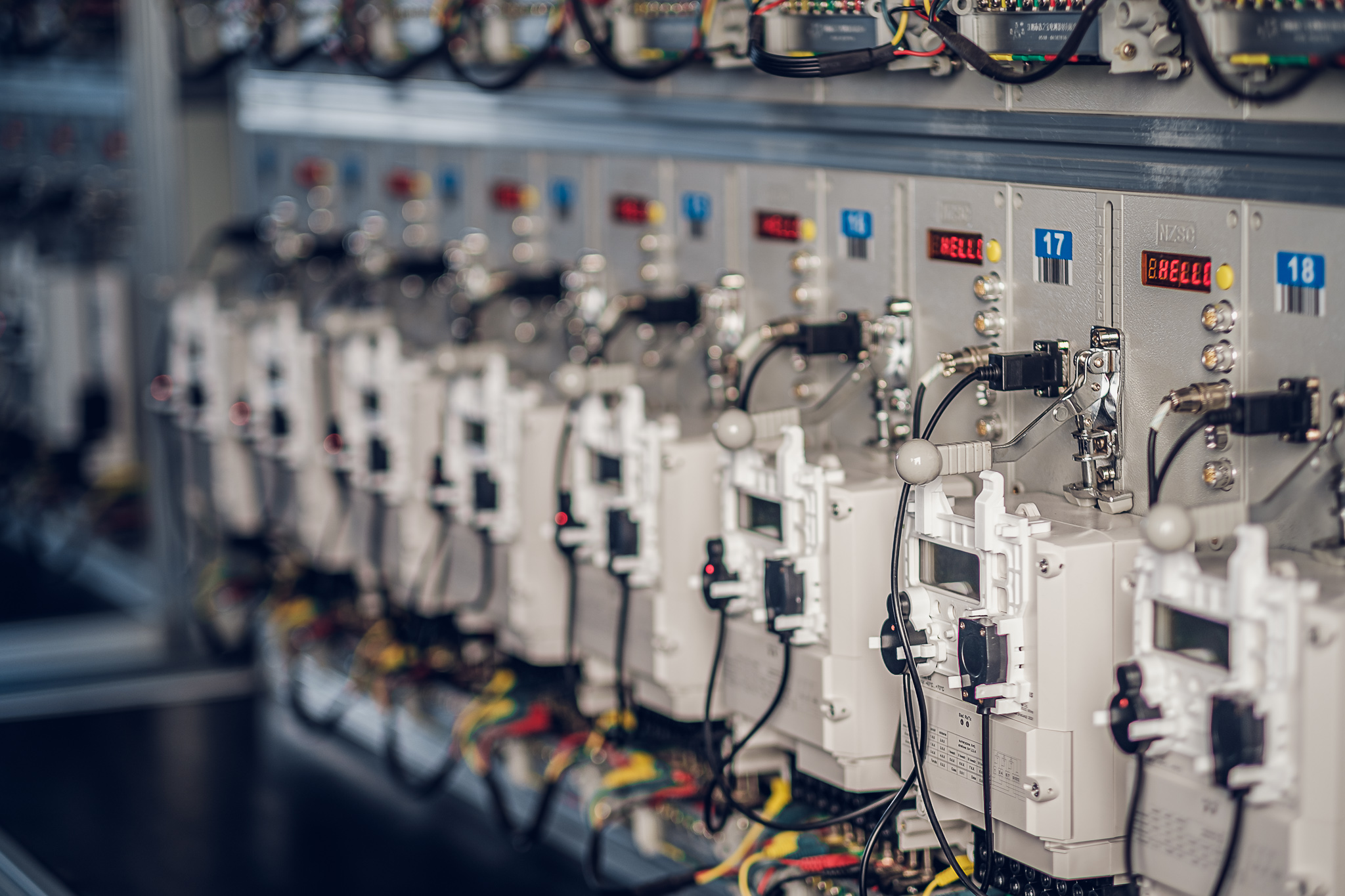
Elgama-elektronika - smart electricity meters
UAB „Elgama-elektronika”: a multi beneficiary from chemical risk management
UAB 'ELGAMA-ELEKTRONIKA' is a partner company in FFR-2, specializing in the development and production of smart electricity meters. Elgama has improved several elements in the chemicals risk management (CRM) system and implemented resource efficiency cases since the beginning of the project.
What the company has already done:
- UAB „Elgama-elektronika” has adopted the recommendations provided by FFR-2 partner experts on improving its chemical inventory to make it a more effective tool for managing chemical risks. CRM elements addressed: chemical inventory; legislation and compliance.
- Procurement and commissioning of a varnishing robot for the treatment of printed circuit boards, enabling the shift from manual to automated varnishing. As a result, the use of reprotoxic varnish has decreased by approximately 20%, while the use of solvents in this process has been almost eliminated. Solvents are now only used for cleaning the dosing needles.
- Due to the introduction of the automatic varnishing robot, the generation of hazardous waste from personal protective equipment and auxiliary materials has been drastically reduced — by over 95%.
- The company has improved the chemical safety in the storage area and workplace where varnish and solvent are located. These locations are now marked with a chemical safety card which contains essential information from the safety data sheet.
Next steps:
UAB „Elgama-elektronika” will collect and analyse data on the performance of the equipment to continuously improve the efficiency and safety of their processes based on data-driven insights. Also, the company will raise staff awareness about chemical hazard classes.