Towards better identification of hazardous chemicals in waste streams
Cooperation with waste management companies is high on agenda within the LIFE FitforREACH-2 project to explore opportunities to improve waste treatment practices in identifying and separating hazardous chemicals. The aim is to support the circular economy, increase the production of cleaner secondary materials and products, and ensure compliance with chemicals legislation. Attention is given to plastic and textile waste, construction and demolition waste, and waste electrical and electronic equipment.
Activities started to assess on how waste management companies can identify hazardous chemicals in waste streams and what technical or managerial solutions could support this. To map the current situation, interviews were conducted with selected waste management companies. We have reached 7 companies in Estonia, 5 companies in Latvia and 6 companies in Lithuania to better understand existing practices and needs related to identifying hazardous substances and managing relevant waste streams.
Waste operators were asked to reflect on their understanding, awareness and compliance with chemicals related legal requirements, management practices in identifying hazardous substances, access to laboratory analysis and the use of testing in practice and control measures applied to waste streams and secondary materials, as well as companies’ needs and challenges related to identifying hazardous substances.
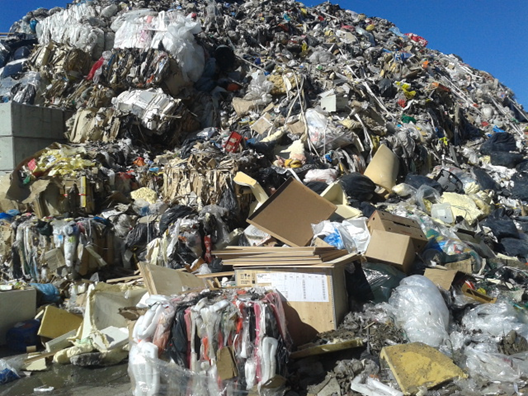
Results spotted common challenges within the waste sector to trace and deal with substances of very high concern (SVHC) in waste streams. Many companies lack practical methodologies and expertise to identify these substances. Control of waste streams often relies on visual inspection and experience from the staff, while analytical testing is carried out seldomly. This is amplified by lack of accredited laboratories in the Baltic States capable to perform full waste composition analyses, and the use of laboratory services abroad can be too costly for companies. In addition, waste management companies struggle with insufficient control of incoming waste as limited information and accounting of hazardous materials is available by waste holders.
Interviews with waste operators highlighted the needs to enable companies to identify SVHC in waste streams and remove them from the recycled streams. Technological options for fast tracking of flows and the quality of materials are needed. Information on developments and new types of recycling options would help to develop upgraded methods.
The LIFE FitforREACH-2 project team is developing guidance for waste management companies on how to consider chemicals in waste management and is inviting interested companies for voluntary collaboration in practical activities.